Today, infertility in India is one of the fastest-growing issues. Infertility can be defined as when a couple is not able to conceive even after a year of having coitus. Around 15% of couples are infertile. Infertility has always been thought of as a woman’s problem. But men are no exception when it comes to infertility. Impotence is also common among men. Generally, one out of every three cases of infertility is because of the man alone. And men are also involved in half of the infertility cases.
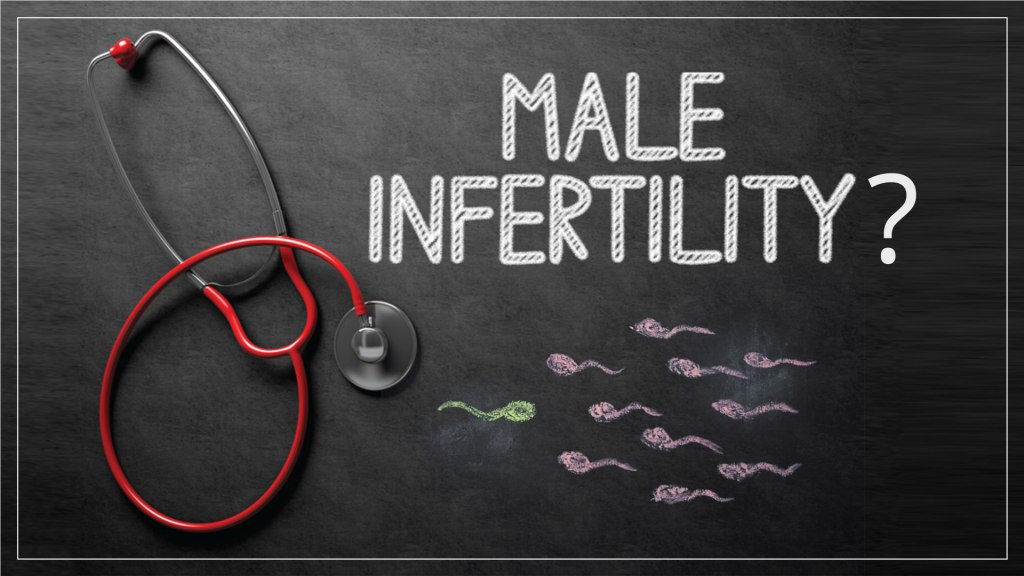
Infertility can be when a male is not able to deliver sperm, like in the case of low sperm production, abnormal sperm functions, blockages in testicles, or veins that prevent the movement of sperms. These problems can be caused by chronic health issues, injuries, illnesses, or lifestyle choices. Yes, you read it right; lifestyle choices play a significant role in causing male infertility.
For men, it can be very frustrating and stressful for not being able to conceive a child. But with the advancement of medications, it is possible to treat male infertility.
Symptoms of infertility in men
As per experts, signs of male infertility include:
- Problems with sexual function like reduced sexual desire, difficulty with ejaculation, erectile dysfunction, etc.
- Puffiness, pain or a lump in the testicle area
- Recurrent respiratory infections
- Not being able to smell
- Gynecomastia (Abnormal man breast growth)
- Chromosomal or hormonal abnormality such as a decrease in the body or facial hair or any other signs
- A lower than normal sperm count that is fewer than 15 million sperm per milliliter.
Diagnosis
One of the hardest challenges men can face in his life is – a diagnosis of male infertility. Diagnosis begins with a full history and physical exam followed by some of the blood work and semen tests.
- History and Physical Exam
Experts usually will analyze health and surgical histories, which helps in knowing about anything which might lower the fertility. A physical exam is conducted to know about the problems in vas deferens, testicles, epididymis, penis.
- Semen Analysis
For this, a sample of semen is collected in the sterile cup. It is then studied for sperm count, concentration, movement, volume, etc., various tests are performed. Through this, the fertility doctors get an idea regarding the issue that’s hampering the fertility mosts. Few more tests might be required to ascertain the fertility issues even if the semen test shows a low count of sperms.
- Transrectal Ultrasound
Ultrasound is done to know the bouncing of an organ with the use of sound waves. It also helps in identifying the specific organs that are blocked or poorly forming like seminal vesicles or ejaculatory ducts.
- Testicular Biopsy
When the semen test shows the low count of sperms, this test is done to find the cause of infertility. It can also help in collecting the sperm for use in supported reproduction.
- Hormonal Profile
It is done to learn about how well testicles are performing in producing sperms. With the help of the hormone profile, hormones are checked, and the accuracy of diagnosis is strengthened.
Male infertility treatment
With the virtue of medical advancement, many male infertility treatments are available, which depends on the cause. As per fertility doctors in India, treatment might take between several months to years. Treatment involves both female and male partners. The infertility of males can be classified as surgical treatments and non-surgical treatments. Here is the list of various treatments to cure male infertility:
Surgical Treatments:
- Varicocelectomy
- Vasovasostomy
- Transurethral resection of the ejaculatory duct
- Electroejaculation
- Artificial insemination
- In Vitro Fertilization (IVF)
- Gamete intrafallopian transfer
- Zygote intrafallopian transfer
- Intracytoplasmic sperm injection
- Assisted Reproductive Technology (ART)
- Sperm retrieval techniques like TESE, MESA, PES
Non-surgical Treatments:
- Endocrinopathies
- Antisperm antibodies
- Retrograde ejaculation
- Semen processing
- Lifestyle changes
- Dietary supplements and vitamins
 Femicure